



Products
Afzir Company offers you a wide range of Vinylester Coatings for many applications.
Vinyl ester-bisphenol resins, specifically the Bisphenol_A Epoxy Based Vinyl Ester Resin (code VER™ 900), consist of two resin components and catalysts. This product exhibits exceptional mechanical and chemical properties while maintaining a low viscosity. It is particularly valued for its outstanding chemical resistance, making it an ideal choice for surface protection against various substances such as organic acids, alkalis, oxidizing chemicals, and salt solutions. Moreover, catalyst or initiator materials in vinyl ester resins facilitate rapid setting speeds.
Vinyl ester-bisphenol resins (VER™ 900) are thermosetting polymer resins renowned for their unique blend of epoxy and ester properties. These resins possess a combination of characteristics that set them apart from other products. Notably, the polymers present in these resins require an extended period of time to fully cure if used alone, often taking months or even years.
To accelerate the curing process, catalysts such as MEKP are employed. These catalysts significantly enhance the setting speed of the resins. Vinyl ester resins exhibit exceptional mechanical and chemical properties, offering remarkable resistance to organic acids, alkalis, oxidizing chemicals, and salt solutions. With their low viscosity, these resins efficiently saturate surfaces, ensuring rapid penetration. Their high adhesion strength also makes them suitable for GFRP fiber production.
Vinyl esters are typically characterized by low viscosity and rapid ambient temperature curing, eliminating the need for post-curing procedures. These resins demonstrate excellent adhesion and high strength. While they possess notable chemical resistance, they are generally more effective against acidic environments than strong alkaline conditions. (Strong alkaline solutions attack the ester linkage, reforming the polyol and a salt of the carboxylic acid.) Additionally, they exhibit resistance to organic solvents. They are utilized in applications that demand resilience against aggressive chemicals and elevated temperatures of up to 212°F (100°C) in wet conditions or 350°F (177°C) in dry conditions. Common uses include tank linings, floor linings, secondary containment linings, and coatings for structural steel, walls, and ceilings.
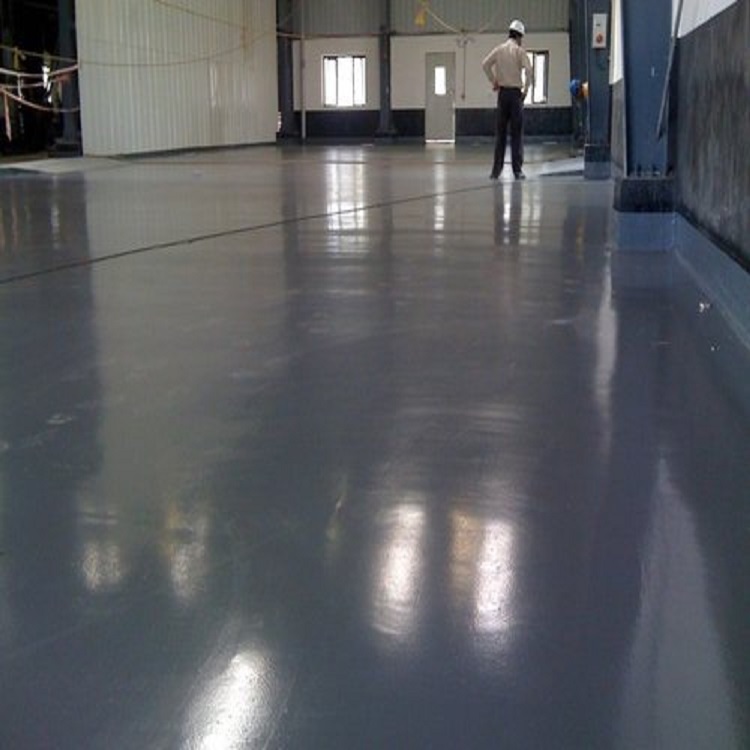
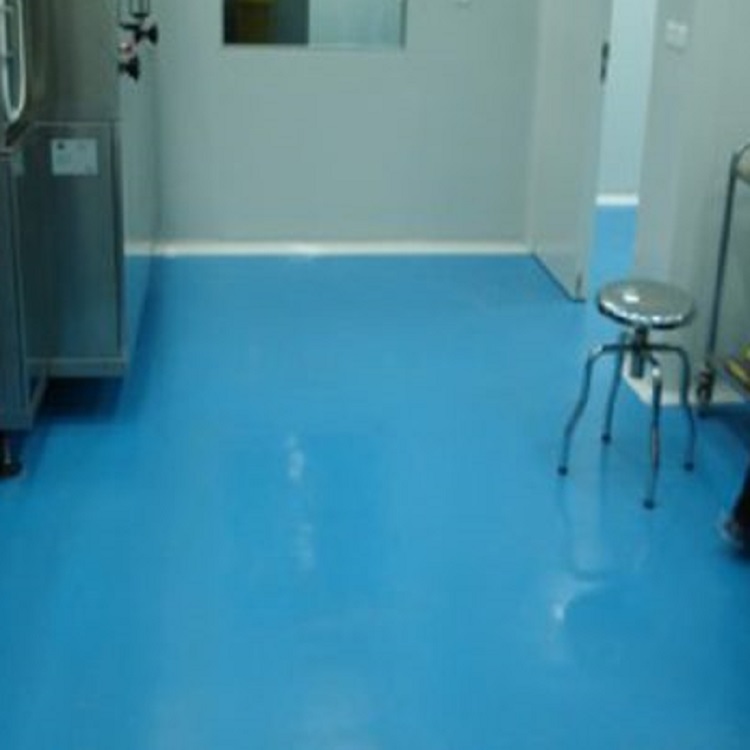
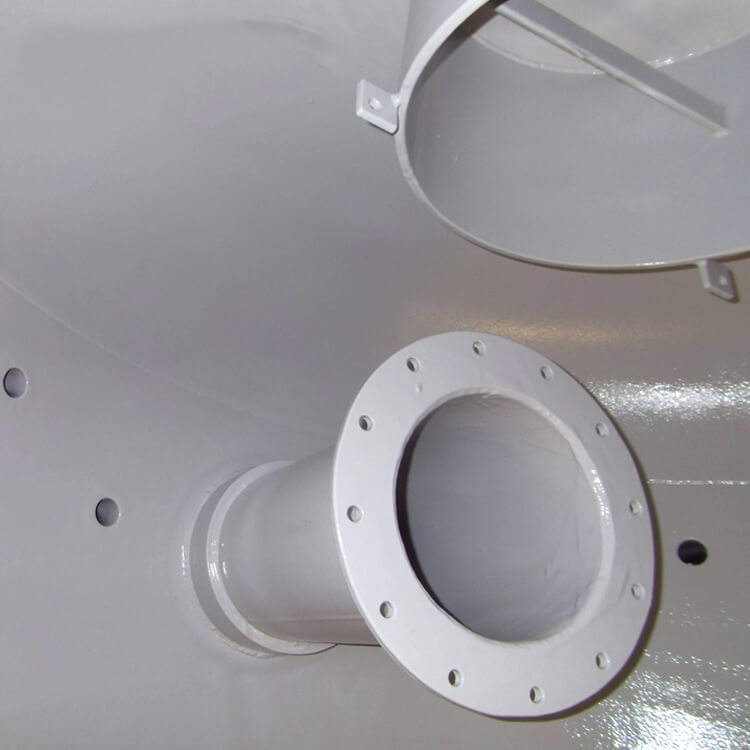
Vinyl ester lining systems find extensive application in providing comprehensive protection to industrial plants and equipment, particularly in the presence of acid or organic chemicals. These applications encompass protective spray-applied coatings for ceilings, walls, hoods, ducts, and tank exteriors, interior tank linings, reinforced flooring for areas prone to process spillage, as well as trenches, sumps, and secondary containment surfaces. The chemical process industry and other sectors dealing with corrosive chemicals widely employ these products. Some examples include:
During product application, the surface and adjacent air temperatures should ideally range between 45°F and 120°F (7°C and 49°C) to facilitate proper curing. Excessive temperatures can result in bubbling, pin-holing, or high thermal stress within the finished lining. It is advisable to consult the manufacturer’s literature for the precise temperature range. Additionally, the surface temperature should be at least 5°F (3°C) above the dew point of the air in the work area to prevent condensation or application on a wet surface.
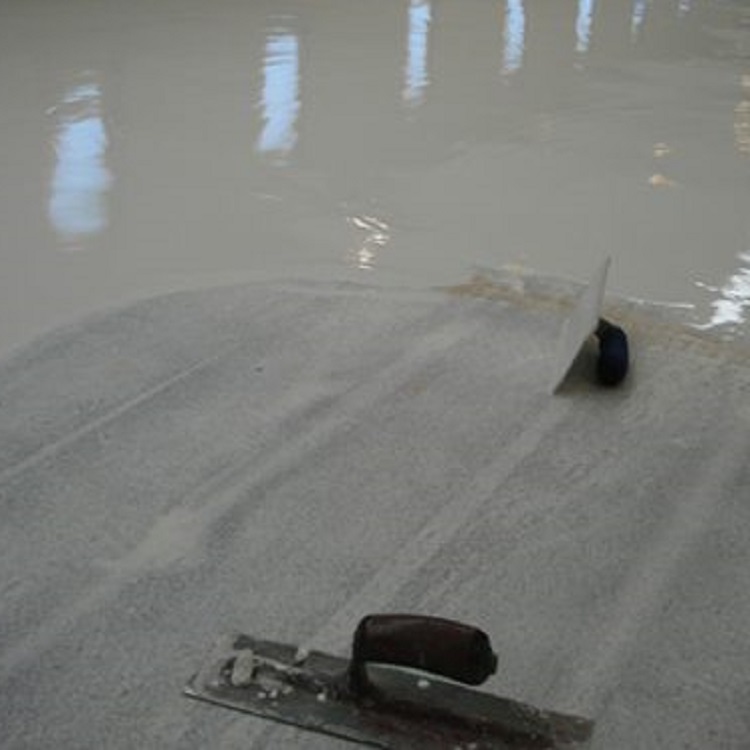
Given the typically substantial thickness of these systems and their usage in elevated temperature environments, thorough surface preparation is crucial for optimal product performance. Concrete surfaces should be subjected to abrasive blasting and possess sufficient tensile strength suitable for the specific system being applied. The minimum acceptable tensile strength is approximately 200 to 300 psi (1.4 to 2.1 MPa), representing the maximum tensile strength achievable with Portland cement concrete. The surface tensile strength can be determined by ASTM D 4541, the Standard Test Method for Pull-off Strength of Coatings Using Portable Adhesion Testers. Steel surfaces should be blasted with a coarse, angular abrasive to achieve a minimum profile of 3 mils (75 micrometers). Shot blasting produces a peened surface, necessitating the use of grit blasting. Stainless steel and alloys may require harder or larger blast media or higher blast pressures to attain the desired profile. Almost always, surface cleanliness conforming to SSPC-SP 5, White Metal Blast Cleaning, is required.
packaging
Product color
| appearance |
The resin is colorless, but the catalysts that are added to it give the composition a color. Catalysts are usually red. |
| Pot life |
4 months after production |
| maintenance |
It should be kept away from heat, sparks, flames, direct sunlight. It is better to keep in a dark place. Fully emptied containers should be closed immediately after use. |
|
viscosity |
275 mpas |
| Specific Gravity |
1.03 gm/cc |
|
Monomer content |
48% |
| Barcol hardness |
35 |
|
Tensile strength |
82 Mpa |
| Tensile modulus |
3720 Mpa |
|
Tensile Elongation at yield |
4.6% |
| Tensile Elongation at break |
7.9% |
|
Flexural Strength |
131 Mpa |
| Flexural modulus |
3450 Mpa |
|
Heat distortion temperature |
98° C |
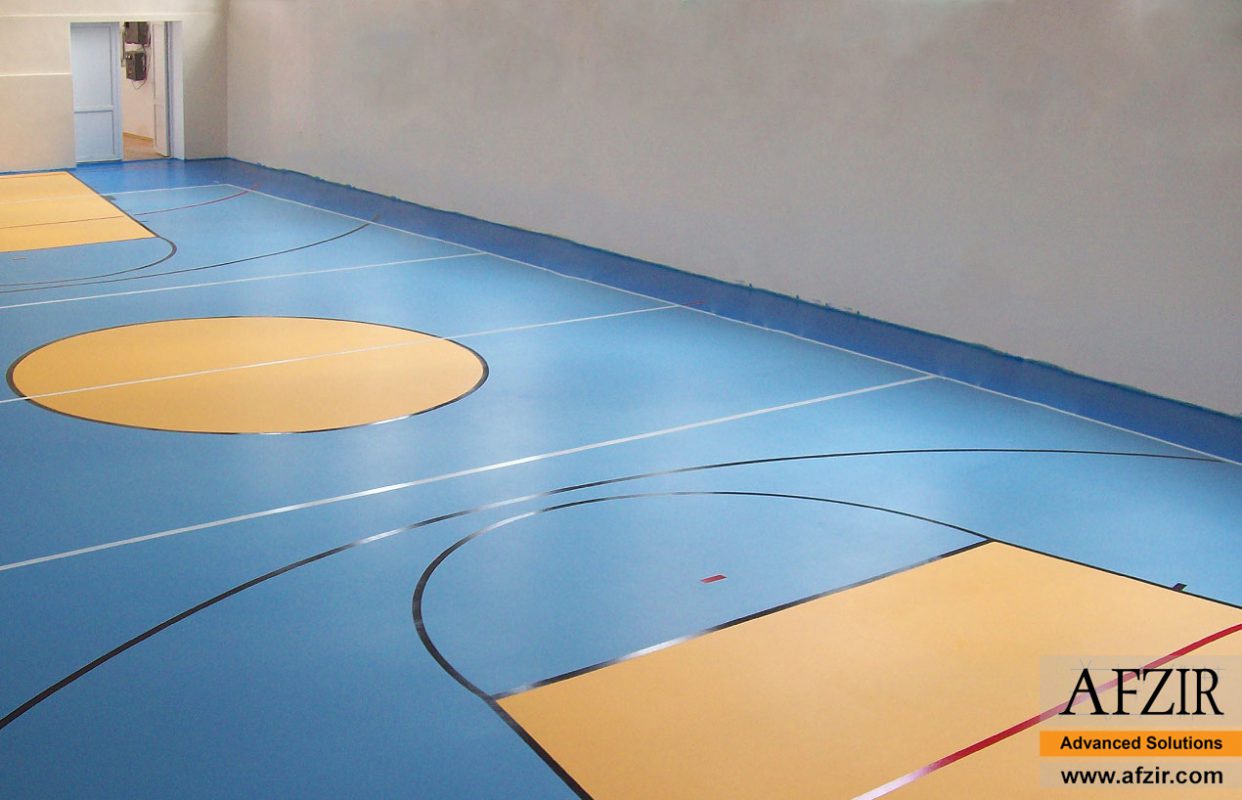
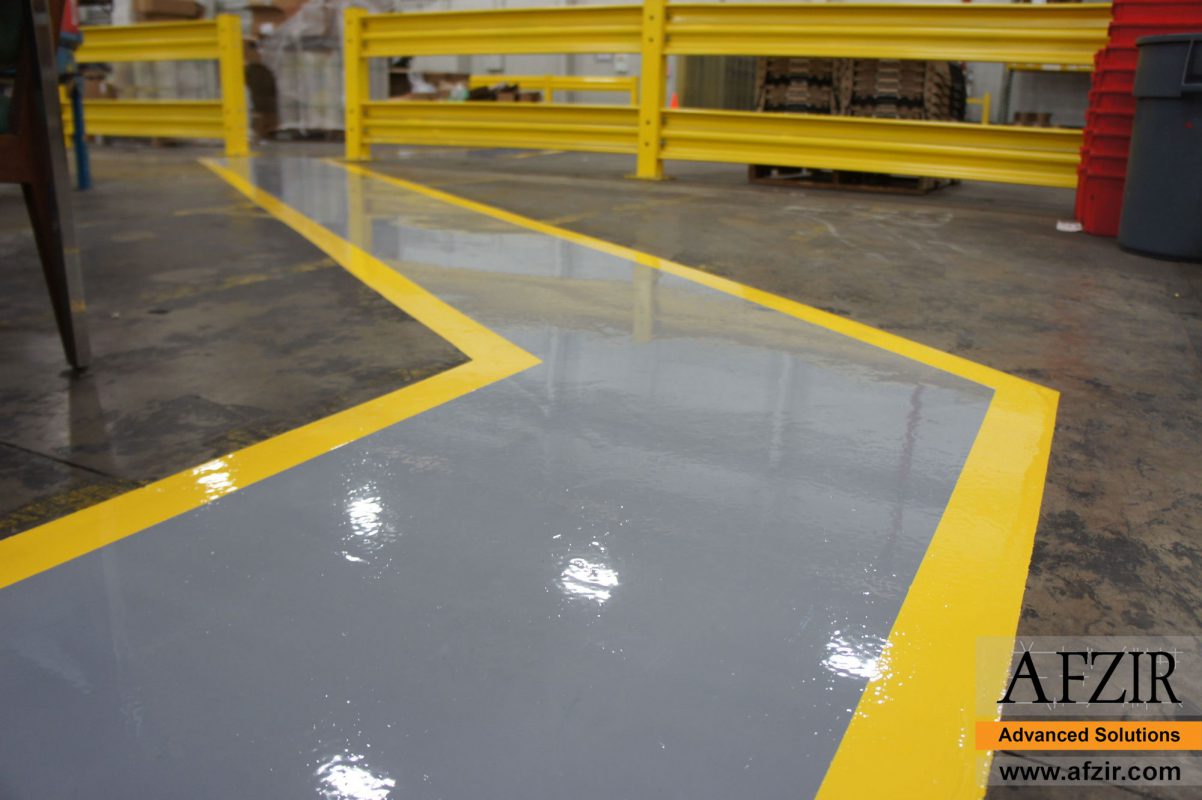
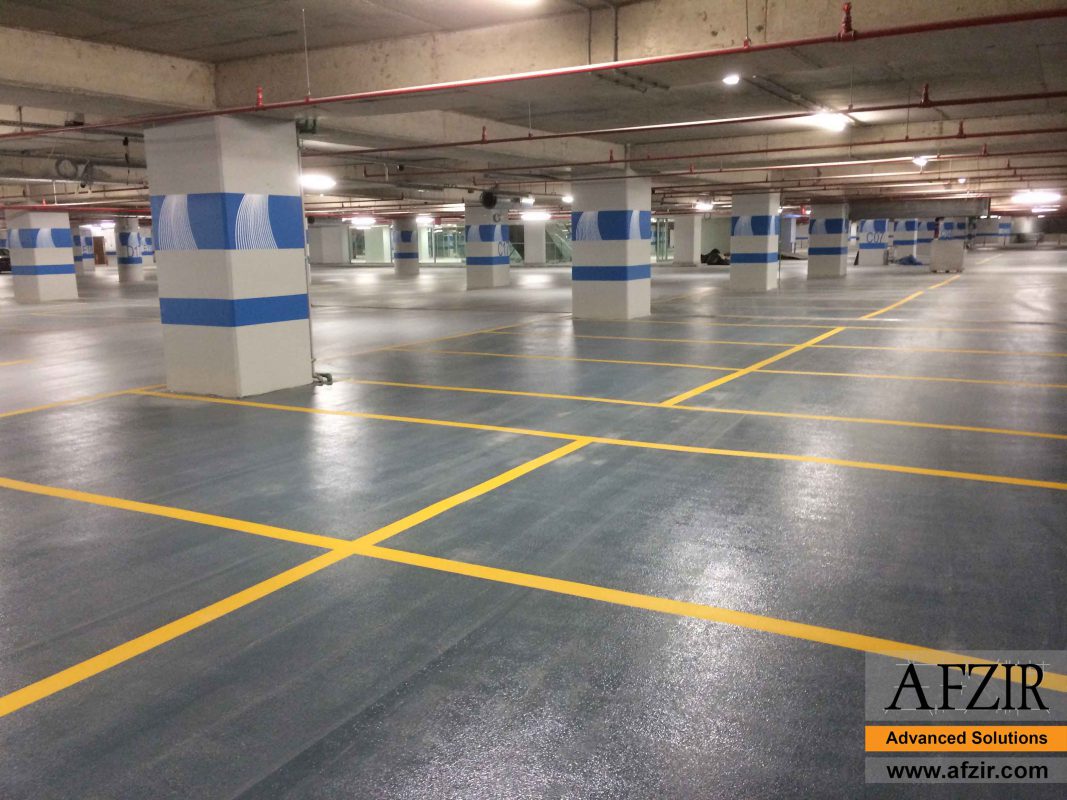
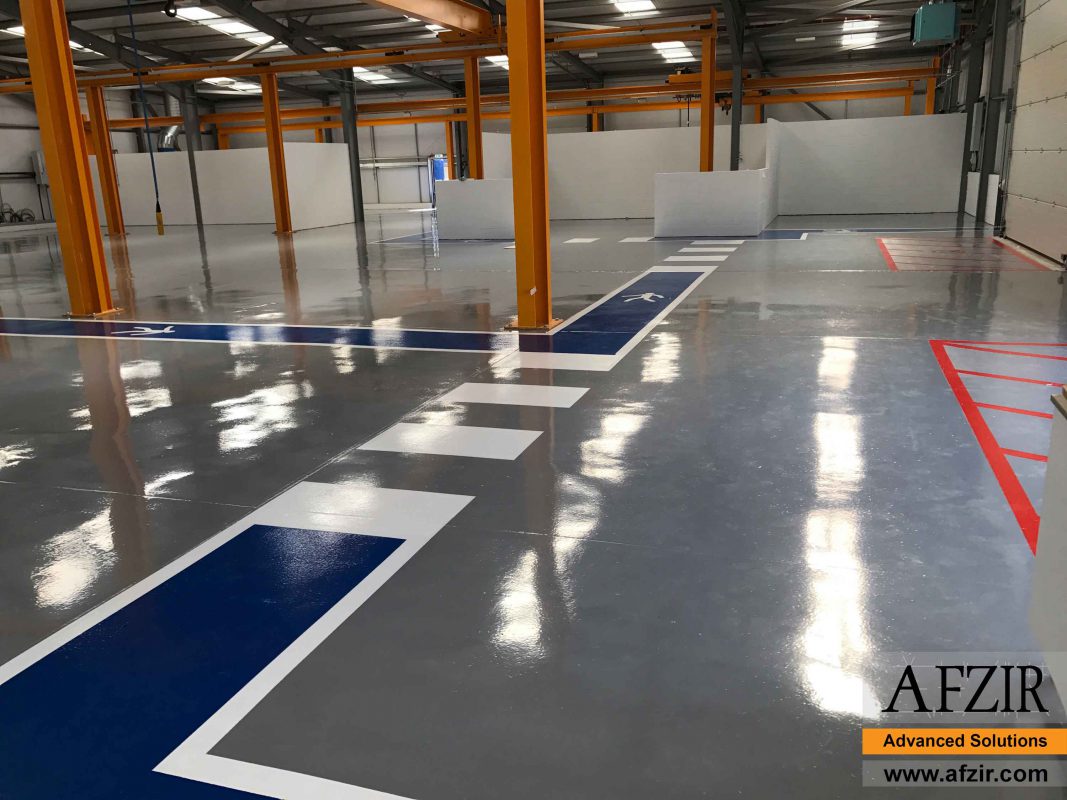
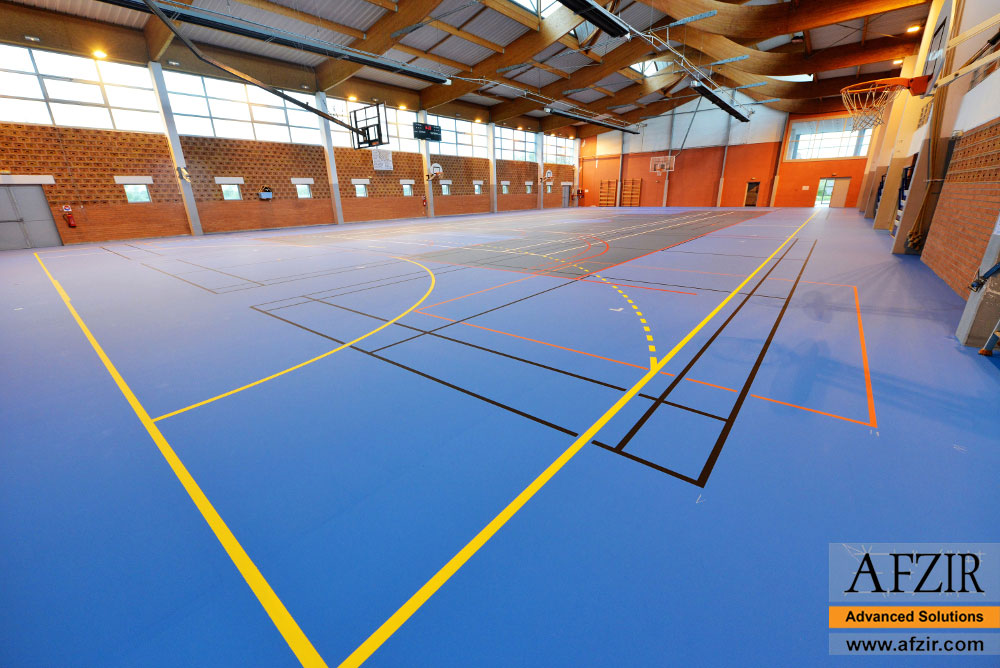
Afzir Company offers you a wide range of Vinylester Coatings for many applications.
Reviews
There are no reviews yet.